

Vaishnavi Kondoju
IT'S VERY USE FULL
 (50 reviews)
 38 Lessons
 656 Students
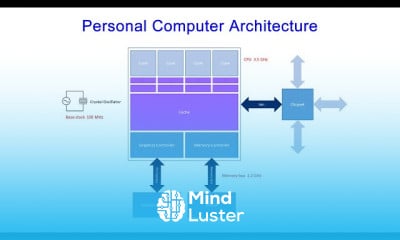
Computer hardware and architecture, in this course offers an in-depth understanding of the components and design principles behind modern computing systems. Explore the fundamentals of hardware, including processors, memory systems, storage devices, and input/output units, while gaining insight into architectural concepts like instruction set architecture (ISA), parallel processing, and system design. Learn how components like CPUs, motherboards, and power supplies interact to create efficient and reliable systems. Delve into advanced topics such as embedded systems, FPGA design, and hardware security. By the end of the course, you'll be equipped to analyze, design, and optimize computer systems, preparing you for careers in hardware engineering, system design, or IT infrastructure.
 To Register in Course you have to watch at least 30 Second of any lesson
 Understand computer hardware components including CPUs, memory, storage, and input/output devices for system design and troubleshooting
Analyze architectural concepts like instruction set architecture (ISA), parallel processing, and system integration for efficient computing systems
Design and optimize computer systems by applying principles of hardware interaction, power management, and reliability
Evaluate embedded systems, FPGA design, and hardware security techniques for advanced hardware engineering applications
Identify the roles of motherboards, power supplies, and peripheral devices in building and maintaining reliable computer systems
Implement hardware troubleshooting and maintenance strategies to enhance system performance and longevity
Apply knowledge of hardware components to develop and improve system architecture for various computing environments
Assess the impact of hardware design choices on system performance, energy efficiency, and security in real-world scenarios
38 Lessons • 6 h 30 m total
 You must have an
Account
on the platform.
Complete all lessons.
Watch at least 50% of Lesson Duration.
Get your Certificate free 🎉 !
4.5
(50 reviews)
Overall rating

Be the First One Review This Course
IT'S VERY USE FULL

Excellent

The course was well-structured and easy to understand. It helped me build a clear understanding of computer hardware and architecture basics. Thank you for providing this valuable learning experience.

goood

very informative and i gained a lot

good
goood
good
good
Good

Good

GOOD

Computer hardware and architecture, in this course offers an in-depth understanding of the components and design principles behind modern computing systems. Explore the fundamentals of hardware, including processors, memory systems, storage devices, and input/output units, while gaining insight into architectural concepts like instruction set architecture (ISA), parallel processing, and system design. Learn how components like CPUs, motherboards, and power supplies interact to create efficient and reliable systems. Delve into advanced topics such as embedded systems, FPGA design, and hardware security. By the end of the course, you'll be equipped to analyze, design, and optimize computer systems, preparing you for careers in hardware engineering, system design, or IT infrastructure.
Experience the full power of Mindluster with Premium.
No distractions, just pure education.
Cancel your subscription anytime